I’ve always wanted to switch my dog to a natural, raw diet. I’ve held back because I needed to do some research on canine nutrition and the pros and cons of a raw diet for dogs. Feeding raw doesn’t have to be complicated, but it’s not as easy as tossing a cup of kibble in a bowl.
To see if a raw diet is right for my dog Ace, I did a lot of research. I’ve decided to feed him a raw diet for 90 days to see if the diet works for us. He will be eating pre-prepared raw dog food that comes in frozen patties. I hope I encourage you to think about switching your dog to a raw diet, or at least a natural, grain-free kibble.
What is a raw diet for dogs?
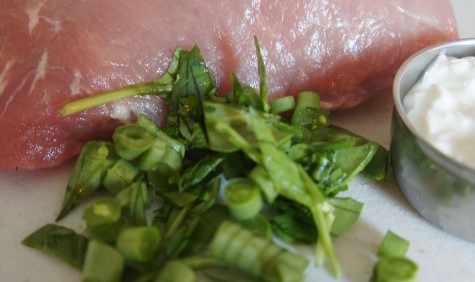
A raw diet for dogs is simply that – raw. Raw meat, raw organs and raw bones along with raw fruits and raw vegetables.
Why is a raw dog food diet healthy for my dog?
Raw, organic dog food is the healthiest food for my dog because it is fresh, whole and unprocessed.
Dogs can get by on a heavily processed diet (just like their owners get by), but it’s not the healthiest. A wide variety of fresh, unprocessed foods contribute greatly to a dog’s overall health.
Why can’t I cook the meat for my dog?
I can, but why would I?
Raw meat and raw vegetables are healthier for most dogs than cooked food because cooking destroys the enzymes needed for superior digestion and nutrient absorption, according to The Whole Dog Journal, a monthly publication for dog owners. These enzymes survive the freezing/defrosting process just fine.
Remember, dogs ate raw meat for thousands of years before “dog food” was invented.
Why is dry dog food kibble bad for my dog?
I do not have to be a vet or a nutritionist to realize that most commercial dog foods are bad for Ace. Please read the ingredients of your dog’s food and let me know what you find out.
The first two ingredients in a dog’s food should be high-quality proteins, according to Michelle Smith, owner of Natural Pet Center in Fargo, which sells natural dog food and other pet products. These should be specific proteins like duck or chicken. Other ingredients should be high-quality fruits and vegetables. Grain is not necessary, and all corn and by-products should be avoided.
When an animal goes to a slaughterhouse, only about half of that animal is used in human foods, according to Born Free USA, a national animal advocacy organization. These “other parts” (heads, feet, blood, unborn babies, etc.) are considered by-products and are used in pet foods.
“Meat meal,” “poultry meal” and “by-product meal” are also common ingredients in pet foods, according to Born Free. The term “meal” means the ingredients have been rendered. Rendering plants take all the random, leftover body parts and boil them down to a broth. Although the high temperatures kill bacteria and parasites, the natural enzymes and proteins found in raw ingredients are also destroyed.
An animal that died on the farm may not reach the rendering plant for several days, according to Born Free. By this time the carcass is highly contaminated. Although so called “4D” animals (dead, dying, diseased or disabled) are now banned as ingredients in human food, they are legitimate ingredients for pet food. There are also no laws or regulations against using rendered roadkill, horses, dogs or cats in pet foods. To be sure, only buy dog foods with specific proteins in the ingredients such as duck or lamb, not “poultry meal” or “animal by-products.”
Many pet foods also contain brewers rice as the first or second ingredient, which is an inexpensive rice by-product that contains no nutritional value, according to the Association of American Feed Control Officials. The AAFCO sets (unenforced) standards for the quality of livestock feed and pet food.
If you do decide to feed your dog rice (most dogs don’t need grain in their diets), make sure it’s whole grain brown rice.
Commercial dry dog food is also loaded with chemical preservatives, sweeteners and dyes, according to Born Free. None of these ingredients provide any nutritional value to a dog. They are used to improve the taste and appearance of the food. Potentially cancer causing chemicals such as BHA, BHT and ethoxyquin are permitted in pet foods as preservatives.
Why should I feed my dog a raw diet?
Well, if the above reasons weren’t enough …
1. A raw diet is the healthiest diet for most dogs.
A raw diet is the healthiest diet only if it is done properly. Do your research or you could end up with a very sick dog.
A raw diet is the healthiest diet for dogs because it consists of real, raw meat without any preservatives or by-products. Raw food also contains natural enzymes that haven’t been destroyed by the cooking process.
2. A raw diet prevents cancer and many other health problems.
A raw diet can help prevent obesity, allergies, diabetes, cancer, heart disease and so much more. Don’t wait until your dog has something terrible like a cancer diagnosis before you switch him to a healthier diet. Switch his diet now in order to prevent future diseases.
3. Dog food companies do not care about the health of your dog.
Dog food companies want to make money. That’s why most dry dog food is made with cheap ingredients like corn, rice by-products and animal by-products.
You can’t trust a bag of kibble to provide your dog with the nutrition he needs just like you can’t trust a TV dinner to give you the nutrients you need. It’s fine every now and then, but a lifetime of eating this way creates serious problems.
4. When you make homemade raw dog food, you know exactly what she is eating.
If you suspect your dog might be allergic to certain dog food ingredients like grain or corn or certain proteins, making your dog’s food yourself is a good way to eliminate the source of the allergies, according to Dr. Amy Anderson of West Fargo (N.D.) Animal Hospital. Amy just so happens to be Ace’s vet
5. A natural raw diet makes it easy to add more variety to your dog’s food.
If I ate the same food for every meal, I would start to become deficient in certain vitamins or minerals. However, when I look at my food overall, I am eating the nutrients my body needs throughout each day or week. This is why you want to mix up your dog’s food.
Once your dog adjusts to one raw protein such as chicken, you can start switching it up and feeding him turkey, duck, salmon, beef, lamb, etc. Plus, you can add all kinds of yummy vegetables to the food such as broccoli or carrots.
6. Your dog will look healthier if she eats natural raw dog food.
Owners who feed their dogs a raw diet claim their dogs have shinier coats, healthier skin, more lean muscle and less fat. They have cleaner teeth and gums, and their breath is less smelly. I hear there’s a lot less poop, too. That’s always nice
7. Raw dog food contains enzymes that are important to the body.
These enzymes are important for digestion and nutrient absorption. When food is heated above 118 degrees Fahrenheit, the enzymes are destroyed, according to Aimee Quemuel in her book “42 Rules to Fight Dog Cancer.” For the same reason, you should include raw fruits, vegetables and nuts in your own diet.
8. You love your dog and you want him to receive the very best care.
The least you could do for him is look into a raw diet and see if it’s something reasonable for you and your dog. No one loves your dog more than you. And no one is looking out for his health better than you. Don’t forget that.
9. Dogs ate raw food for thousands of years.
Eating raw meat is natural for a dog! Dogs have been eating grain-based kibble for only the last 100 years or so. How on earth did they get by without kibble?
Reasons not to feed a dog a raw diet
There are, of course, perfectly acceptable reasons not to feed your dog a raw diet. Here are a few:
1. Feeding a dog a raw organic diet costs more.
Some hard-core raw food enthusiasts will tell you that feeding your dog raw does not cost any more than a high-quality kibble. This might be true if you’re going to buy mass quantities of meat in bulk or if you work out a deal with a local rancher.
But who’s really going to do any of that? Not me. If I feed my dog a raw diet, I just assume I’m going to pay quite a bit more. During this trial, Ace will be eating pre-prepared raw patties. If I make the food myself, I will be buying meat from the grocery store. Either way, $$$$.
2. Feeding a dog a natural raw diet can give the dog an upset stomach.
There are mixed thoughts on this. A new diet is bound to cause a few digestive issues. Some raw dog food companies and vets say it’s better to switch the dog from kibble to raw instantly, with no transition. The reason for this is because it’s difficult to digest the combo of kibble and raw. Others say to do a gradual switch the way you would with two kibbles. This is the route I am taking. Either way, if my dog experiences an upset stomach, it will pass.
3. Raw dog foods are messy.
Cleaning up after a sick dog is messy, but so is preparing a bunch of raw meat. It’s smelly, and it sits in your fridge to de-frost. The dog’s bowls and eating area will probably also be messier. And in Ace’s case, there will be more drool, too. You’ll also have to wash your own hands, the dog’s bowls and the area where you prepared the food because of the raw meat and the possibility of bacteria. It’s no different than the precautions you take to prepare your own meat.
4. Feeding a raw dog food diet is time consuming.
If you go with the pre-prepared route like I’m doing, it doesn’t take that much time. You just throw a patty in a dish and let it de-thaw overnight. Then serve. But you will have to wash your dog’s bowls more often. And, if you plan to prepare all the food yourself using your own ingredients, then you’ll spend time planning the meals, shopping for ingredients, storing the ingredients, preparing the food and cleaning up.
5. Storing raw food for your dog takes up more space.
We have a small freezer. Right now my freezer is holding two weeks of raw food for Ace, along with some of my own food. If you have a small dog, storage won’t be as much of an issue. But if you have medium to large dog (or a great dane!) or if you have multiple dogs, you should consider buying a larger freezer for more storage.
6. Some dogs can’t handle all the raw protein.
Old dogs, dogs with kidney issues and dogs with pancreatitis (inflammation of the pancreas) are just a few examples of dogs that should not eat a raw diet, according to Anderson.
Always check with your vet if you are not sure.
7. Your vet might not understand the benefits of a raw diet for dogs.
A good vet will listen to you and openly discuss the pros and cons of a raw diet for your dog. If your dog’s vet is leery of a raw diet, find a holistic vet in your area or explain to your current vet why you are interested in a raw diet.
Anderson said she typically does not recommend a raw diet for her clients’ dogs because it is too complicated to maintain longterm. It’s also hard to know whether or not your dog is getting a balanced diet, especially if you are making the food yourself.
8. Your dog will be begging for more ‘human’ food.
This will be a nonissue for most of us since most of our dogs already beg.
Lately I’ve been more likely to mix in healthy table scraps, vegetables or cooked meat with Ace’s food or give it to him as treats. Now he seems to expect a piece of banana when I make my morning smoothie. He seems to expect a piece of asparagus when I am cooking vegetables, etc. When he gets too annoying with his begging, I make him lie on his bed in the other room. Poor Ace.
9. It’s difficult to feed your dog a healthy raw diet while you travel.
If you travel a lot, it may not be realistic to feed your dog a raw diet. I know I plan to feed Ace kibble when we travel or when he stays at a kennel or with a pet sitter. If switching back and forth is too hard on his digestive system, then it may be better to stick to kibble 100 percent of the time. We will see.
Please share any additional pros and cons to a raw dog food diet for dogs.
We can always learn more.
Check ThatMutt.com for upcoming blog posts on a raw food diet for dogs.
Recent Search Terms:
- Raw Dog Food: Making It Work for You and Your Dog"
- allergy free dog food fargo north dakota
- pros and cons raw food diet for dogs
- prepared raw dog food
- is cooking for my dog better than pet food
- is it bad to eat at night
- feeding raw dog food

What did you feed Ace prior to starting the Raw Food trial? Have you done a cost comparison between the two? Just curious. I think for a lot of people that may be the biggest sticking point, especially if you have multiple dogs.
Cost is the biggest sticking point for me, too. I am going to do a post on comparing costs. Raw is more expensive than kibble no matter what anybody says.
Ace was eating mostly Evo before. Although I switched the brands up every now and then. Right now he’s eating 2/3 dry and 1/3 raw.
Yeah, I don’t see any way around raw being more expensive, just curious how big the difference is.
Are you gradually introducing raw with the intent of moving him to 100% raw during your trial, or are you going to continue a mix of the two? I think doing a combination raw/dry might be more doable (economically and practically) but also get them some of the benefits.
I am mixing them while he adjusts, so for a week or so. Then 100 percent raw. I also thought of doing one meal dry, one meal raw every day, but from what I’ve read, it’s hard on their digestive systems to mix the two. Dry, processed food is harder to digest and raw is easy to digest and they usually don’t do well with a combo.
That being said, at least one person has told me she feeds one dry meal and one raw meal to her dogs each day and they do fine. It would be worth talking to a vet about or trying it to see how the individual dog does.
Hi Lindsey. Dont forget to add the vet costs on to the side of dry kibble. Now there are no guarantees but, it has been mine and many others experience that raw really does help promote much better health.
Happy feeding!
I agree! Sometimes it’s just still not justifiable, though. Raw food is considerably more expensive and inconvenient than feeding dry.
It’s admirable what you are doing for Ace. He’s one lucky dog to have such a conscientious owner! I will have to read the label on the dogfood bag next time before I purchase it. Right now I’m trying harder to focus on eating healthier myself.
The dry dogfood in the bag is just so convenient and I also see the cost of raw as prohibitive. What brands of dry dogfood do you feel are the healthiest? Also, is there any scientific proof that switching to a raw diet extends the life of a dog?
Hope Ace enjoys his mealtimes even more now!!
There are a lot of high-quality dry dog food brands. You just have to read the labels and look for a food with real protein like chicken or duck or turkey and no by-products. I like Evo because it’s grain free, same with Nature’s Variety Instinct. My cats eat Felidae right now. The dog version of this is Canidae.
I don’t think raw costs more than kibble, certainly if you compare it to a good kibble like Orijen. That kibble costs at least $10 a kilogram here, but it’s generally possible to pick up muscle meats for less than that at the local supermarket, and offal (hearts, kidney, lambs fry etc) is generally about half that on special (always specials at the supermarket we go to).
(We’re in New Zealand. I know this is in a local currency and most of you guys use lbs not kg, but the principle is presumably the same).
You can feed dogs raw food for less than the cost of kibble if you really put some thought into it and plan ahead. The problem is, most people (including myself) are probably not going to go through the trouble. Thanks for the tips.
We’ve been absent from the blogosphere for a while, but I was so excited to see you are trying a raw diet with Ace! When we switched Biggie on and off raw/kibble, it was always important to switch ON to kibble slowly, but we switch OFF kibble and on to raw immediately, and have had no ill effects.
Biggie loves his raw food (I make it myself). we are going on 3.5 years of it and he is super healthy and happy. And he loves to eat!
By the way, I haven’t found there to be any issue with begging for human food – it doesn’t seem to be linked at all to what Biggie’s eating, and IS linked to how we respond to begging behaviors. If we ignore his begging, he stops.
Hey Biggie! About time we try raw, right? I do worry about when we travel and I have to switch him back to kibble. That will be a pain.
Thanks for the reminder that if my dog is begging, I’m the one who needs to change MY behavior
Just by the way, have any of you guys tried eating the dog kibble? – I have always tasted all of the kibble we’ve ever given our dog, and it’s never tasted that good to me. Added to that, most of it tastes fairly similar (maybe they all use similar preservatives). By comparison, most of the meat when cooked does taste good. I don’t of course mean that a dog’s diet is that similar to a humans, but I doubt that my and my dog’s sense of taste is that awfully different. (I’m just reading Patricia McConnell’s The Other End of the Leash, about how she made the effort to use her sense of smell, to mimic her dogs, and was surprised that she could smell a lot better than she thought – and her dogs were quite excited that she was trying to get attuned to their world. By the same token, I think it helps to get some indicator ourselves of what we are feeding our dogs).
I’d say that a dog’s sense of taste has to be awfully different. Like many dogs, my dog has indulged herself in a cat turd or two of the years. She’ll eat grass, dried up and crispy worms and many other things that I wouldn’t dream of putting in my mouth. And in contrast to me not liking things that she does, she hates spicy foods or anything with lots of vinegar on it, or sour or sweet, yet I love them so.
But we can definitely agree that meat tastes delicious!
I haven’t tasted any of Ace’s kibble. But I have tried some of those dog cookies that look like human cookies and also some homemade dog treats
They are always a bit disappointing
I really don’t think my sense of taste is the same as my dogs. He will eat cat poop, garbage, dead animals, cigarette butts, etc.
Still, interesting points you make, especially about making a point to smell things more closely the way a dog does.
Hi Lindsay,
If you go away or travel look in to feeding a raw freeze dried product rather than switching back to kibble. There are a couple of brands out there but check them out as quite a few of them are cooked freeze dried rather than raw.
The price is higher but it is way convenient, i feed it to my dogs as dont have much freezer space.
Sam
thanks! that might be the perfect idea!
I’ve been feeding my dog raw for about a month due to my vet recommendation. No dry, commercial food at all. My lab has arthritis in her back and was very overweight. In a month, she’s lost 5 lbs. and her health is much improved. Prior to this diet, she could barely get down the deck stairs to go to the bathroom. Now, she follows me around outside and last week even jumped onto my bed!!! I kept a spreadsheet to keep track of the costs and it’s about $1 per day. Yes, I shop the sales for chicken leg quarters and it does take time to separate things and steam veggies for her. But it is well worth it!!!! I should have done this years ago!!!
Thanks for the info, Paula! Want to share any recipes with us?
Paula there is no need to add vegetables so the work you spend steaming them is really a waste of time. Dogs don’t get any nutritional value from green beans because they lack the enzymes to digest them.
Also, make sure that poultry is no more than 10% of your dog’s diet. Most meats should be red meats like beef, pork, lamb, etc. Poultry lacks the zinc and iron dogs need.
Linsay, here is a recipe for you. Hand your dog a pork chop. Wow that was hard! LOL!
Thanks for your comments, Cyndiann. If you are such a strong supporter in feeding a dog raw food, I would think you would want to encourage people like me to make the switch by starting with a commercial raw dog food. It’s a good place to start.
I am feeding my dog commercial raw dog food for 90 days as a trial. I do not claim to be an expert on canine nutrition. I am looking into several options for what to feed my dog, whether it’s a high-quality dry dog food, a commercial raw dog food or raw dog food that I get for him myself (basically throwing a pork chop in a bowl as you describe). For right now, a commercial raw dog food is a good way to start for someone with no experience feeding raw.
Vegetables certainly don’t hurt the dog, but people shouldn’t go overboard worrying about feeding a dog enough veggies, either. For right now, I choose to feed my dog vegetables every day (they are in his commercial raw food), and sometimes he gets some veggies as a treat. He loves them, and they certainly don’t hurt him. Plus, they are low in calories.
Could you please share further information about why a dog should eat red meat vs. poultry?
I disagree that it’s a good place to start. It costs a lot more than feeding plain raw and the veggies do cause problems, usually with skin itches and ear infections. The infections are usually caused by yeast and that comes from veggies and fruit. Didn’t you mention somewhere that your dog is having ear problems? There was some itching problem from what I remember. It’s very likely that the food is the problem.
If there is a problem with the dog’s reaction to the food you can’t tell which ingredient is the problem which makes an elimination diet almost impossible. When you feed raw you start with just one source, like chicken, so you know what caused the reaction (itching, loose stools, whatever).
Red meats have the correct amounts of iron and zinc that dogs need. Poultry lacks that. Cats on the other hand do great on poultry.
I used to use fargo raw dog food for my dogs, now give ziwipeak it is also raw diet and is air pack.
The other thing I wanted to mention, while feeding our dogs raw they have overall improved in the health from head to end of tail:) My one dog used to have seizure but not anymore. I rather spend money on healthier food for my pets than vet bills/medications. It all boils down to pay vets or raw food? Friendly tidbid;)
Thanks for your comments!
The diet you are feeding is not a typical raw diet. The food is ground, it’s loaded with veggies and fruits which aren’t needed and cause things like your dog’s ear infection.
You also mentioned a lack of energy and that can be blamed on the commercial patties you are feeding. If you were feeding a true raw diet of all meat, bones and organ meats the energy boost would have happened.
And your dog’s need to drink a lot of water should have gone down and is most likely to be blamed on what you switched to which isn’t a real raw diet.
Also, what you are feeding is very much more expensive than a raw diet. They charge more and on top of that water down the meat with fillers like vegetables and adding too much liver. Please don’t call those patties a raw diet. It’s still a commercial dog food.
These raw dog food patties are a commercial raw diet, yes, but still a raw diet.
Perhaps Ace would have increased energy on a “homemade” raw diet of all meat, bones and organ meats. That may be something I will try in the future. His need to drink a lot of water has gone down since I switched him to a commercial raw diet.
I agree, the commercial raw food I am feeding him is very expensive. It is cheaper to buy the meat and bones myself. This is something I am looking into.
Glad to hear that he’s not wanting as much water now. It’s a sign of diabetes for one thing, although kibble is dry which is not how their food should be so they do tend to drink way more. A dog’s natural food would never be dry like kibble.
I think it was related to the dry food.
[...] Truth about Pet Food is a video that exposes the practices of pet food manufacturers and teaches you how to read a pet food [...]
I have been told by numerous reputable sources that it’s a major NO-NO to go buying meats from your supermarket and feeding them to your dog as part of his raw diet. These supermarket meats are full of hormones and antibiotics which are safe for us humans because we cook our meat and they are killed off during the cooking process. Not the case when you feed them raw to your dog.
Make sure you know where your commercial raw patties are coming from also and how the meat has been treated.
Lastly, if you want to feed veggies, I think you’re supposed to grind them up first. A dog’s digestive tract is so short that if you don’t start the digestive process for them by grinding up the veggies, the dog doesn’t get much benefit from them, they just pass thru as waste. Think of when a wild carnivore eats prey, the only veggies/carbs they’re getting is from the inside of the stomach of the prey – already partially digested.
Good point on grinding the veggies. That is a very good idea or they will definitely pass right through.
I disagree on the supermarket meat. If it’s “safe” for us, I’m certainly not afraid to feed it to my dog. However, I also know the antibiotics and added hormones are not things I want to be eating so I choose not to eat meat at all. And I also choose not to feed my dog meat with antibiotics or added hormones. Many people choose to buy organic meat for themselves and their dogs. Stella & Chewy’s proudly advertises that its meat does not have antibiotics or added hormones. It’s too bad, but I do trust this company more than I trust the average company that produces food for humans.
Thank you for your contribution to this page.
Hi Lindsay,
Your post has been interesting to follow as we are currently struggling with our lab puppy who is suffering from allergies. After trying 5 different kinds of kibble, he is now on a high fibre vet diet and seems to be responding well, however it is still kibble. She has asked that we keep him on it for 6 weeks to try and ‘stabilize’ his system before we switch him again (either to raw or a different kibble). Our vet is very supportive of raw diets and we will be looking into whether we will go with a ‘barf’ diet including a higher amount of veggies or whether we will go with more of a ‘raw meaty bone’ diet for him.
I was just wondering about your comment above regarding store bought meat for a raw diet. Even though its safe for us to eat, we cook our meat from the store, we do not eat it raw. As Julie mentioned, I have also read it is not beneficial to buy meat from a store to feed your dog as much of the good stuff they need has been removed to make it suitable for humans to digest (I cannot remember the source…sorry). I’m just wondering if you or anyone else has heard more regarding this issue?
Thanks so much,
Well, one problem with the grocery store meat is that it’s often very lean. People don’t like to eat extra fat, but dogs need a lot of fat. Dogs also love and benefit from organs, bones and so on. Most of the people I’ve talked to who buy their own meat for their dogs get it directly from a butcher. That way it still has all the “good” stuff dogs need.
I haven’t bought grocery store meat for my dog. I have only bought commercial raw dog food from a pet food store.
The major concern I have with raw food diets is that while it is true that it is a more ‘natural’ food for the dog and certainly what their ancestors ate in the wild, wild animals are also frequently hosts to parasites such as intestinal worms. That’s part of the reason why humans cook their meat, after all. I’ve heard of commercial processes that destroy bacteria without cooking the meat, but what about things like parasitic worms encysted in the tissue?
Also, I’m curious what the ‘enzymes needed for superior digestion and nutrient absorption’ are. As far as I know, the only enzymes that assist in digesting food are the dog’s own, not whatever existed in the food he eats. Everything in the meat is broken down into its most basic components to be absorbed by the dog’s digestive tract.
I quit feeding my dogs commercial kibble some years ago, and briefly considered the raw food diet as a possible alternative. I prepare homemade food for my dogs now, which is partly raw except for meat, which I cook due to the concerns mentioned above.
Good points, Anna! I don’t know the answers to your questions. But they are good ones. I will find the answers for you and let you know.
Great topic! But I have one question any ideas on proportions of food in relation to size and breed of dog? I have never gone full raw diet because i just don’t know how much to give them. I do give them raw meat but have heard that dogs are really omnivores and not sure how much meat to feed them. I have heard the fisrt thing a wild dog eats is the stomach of the animal it kills which would usually be a rodent, bird or small mammal.(not sure if that would be red meat) I also know the coyotes will bring their pups in the yard in late fall and eat the apples that are on the ground under the apple tree. one of my dogs loves to go into the garden and graze…strawberries,rasberries, dug up potaoes and carrots and eats them and that seems to be just from instinct. so I’m not sold on the MEAT only diet.
I have fed my dogs parts of food that I am already preparing for my family. for example if we are having chicken I take the backs and give it raw to the dogs. (only give a dog raw chicken bones as cooked can splinter and cause serious damage) I have also taken the veggies from making soup stock and fed it to the dogs they love that too. I get using the frozen patties and thier convienience. You can talk to a butcher(small town/ country) and ask for waste (thats the parts no one wants) the big guys sell it to the dog food co etc. The small guy usually just throws this away because no one wants to buy it. If you build a good rapore with them they would probably just give it away. The butcher I use will give me all the bones I need. the cattle leg bones are great I have roasted those ones and then once they have gotten all the marrow out I will put peanut butter and some kibble inside to keep them busy. I also go to other places we live near hutterite colonies and we can get lots of stuff from them too.
As for raw meat and bacteria it is very important not to leave raw bones lying around as they can be a problem for the humans more so than the animal.
BUT FYI
my dogs are on the farm frequently….small feedlot…there is a dead pile and they get into it from time to time…YUCK!!!!But not once has any of my dogs gotten sick from that. As my vet would say what doesn’t killem will strengthen their immune system. (our situation has changed so we are never at the farm esp with the dogs anymore)
As for antibiotics and hormones almost ALL producers use that stuff and if they say they aren’t; they are lying. The only true organic is the stuff you grow yourself! But thats a whole other blog about getting back to basics and growing our own food…lol
You know, I don’t have an exact answer for your question, Jenn. Thank you for asking it. From what I’ve found, most people recommend about 8 ounces of meat per day for every cup of kibble the dog was eating. The rule of thumb I hear most is to feed your dog 2 to 3 percent of her body weight. You can take your dog’s weight and multiply that by 16 to get the dog’s weight in ounces. Then take 2 percent of that.
My dog is 67 pounds x 16 (ounces) = 1072
1072 X .02 = 21.44 ounces of food per day.
He needs more than that because he’s naturally lean, so he got about 24 ounces when I was feeding him raw.
Then take into consideration how much of that total amount will be meat.
I’ve written a few other raw food posts that go over these issues a bit.
This post may help you. Scroll down to where it says How much raw food should I feed my dog? http://www.thatmutt.com/2011/04/16/homemade-raw-dog-food-recipes/
This post also may help. Scroll down to where it says how much meat does my dog need per day? http://www.thatmutt.com/2011/03/18/how-do-i-feed-my-dog-a-raw-diet/
IM NEW AT THE RAW FEEDING AND THERE IS SO MUCH BACK AND FORTH IN FO ABOUT VEGGIES AND BONES. IM SO STRESSED. I WANT TO FEED RAW TO MY DOGS AND CATS. ONE OF MY DOGS DECIDED AFTER A MONTH OF RAW HE DOESNT WANT IT. ARE VEGGIES REALY NEECASSARY, IS PORK SAFE TO GIVE DOGS AND WHAT ABOUT THE BONES, WHAT BEEF BONE ARE SAFE TO FEED? PORK? ANY HELP FOM SOMEONE WHO REALLY KNOWS THANK YOU
Whether or not dogs need veggies depends on who you ask. Some vets and dog owners say dogs are omnivores and some say they are carnivores. I believe dogs do not need vegetables, but I also know the veggies can’t hurt them and maybe they could benefit from the added vitamins.
Pork bones should be frozen for a few days in order to kill a rare but possible parasite found in pork that can kill dogs. For this reason, I avoid feeding my dog pork.
As far as bones, all bones can be dangerous. Dogs can break off sharp pieces that can poke them or get caught in their throats or intestines. Large bones are safer since the dogs will have to actually chew rather than snap them apart or swallow them whole. Make sure to supervise your dog in order to make sure he or she is actually chewing the bone.
That is my two cents. Perhaps someone else would like to chime in.
Do u cut out all dog treats too?
Some people do. When I fed my dog raw, I continued to give him dog biscuits and other treats. I think it’s a bit ridiculous not to. I may try to eat healthier myself, but I will eat the occasional cookie, slice of pizza and so on. My dog will be just fine if he has a Milkbone.
First off, Lindsay i think this blog is great as it helps get more word out for raw which i think is great for our four legged friends! I have been feeding my dogs raw for the past few years now(my cats are your typical picky felines and refuse to even sniff the stuff so no go yet) but do give them the occasional kibble meal as it is practical at times when you forget to thaw it. Also i have been working at a holistic pet food store for the past year and have learned some really interesting tidbits about raw feeding(whether conventional or homemade). So my opinion to the earlier comment on veggies and whether there good or not is really all dependent on your dog as like people they all have unique digestion tracts so what works for one may not work for another. The general idea with raw from what ive learned is to start basic and just give ground chicken or turkey(including bones, organs and blood) for the first few days or maybe a week or two so there digestive tracts can adjust. Then slowly start adding in your veggies and seeing what agrees and doesnt, usually we recommend making sure your giving two parts green veggies, one part orange veggies and one part fruit, all needing to be ground down to a pulp as dogs and cats do not break down cellulose and so the veggies will pass right through leaving very little nutritional value(so really a waste of your money!). Another interesting concept that is becoming increasingly popular is using no veggies with your meat mixture and adding tripe, which for those of you who arent aware is the lining of animals stomachs and when from a grazing animal such as a cow is basically pre-digested veggies so the dogs and cats will absorb the nutrients from it, saving you from grinding them down and is a pure, easy to digest source of vital nutrients and digestion enzymes. I throw in tripe already as a great mix up for my dogs meals, but would like to try this and see how well they do or do not respond as the concept seems right to me so im sure it will go over well! Hope this helps a bit.
Thank you, Brittany. It’s always helpful to hear from someone who has been feeding raw for awhile.
Hello everyone. After doing alot of research I finally switched my dog over cold turkey. He has been eating raw for about a week now and he loves it. His name is Seiya and he is a 9 month old red Sib Husky. I always knew how to pick out kibble because I used to work with animals, and went to a few courses. I first learned about raw feeding when I met a man that had 5 huskies. He used them for pullling cargo and competative dog sledding. He told me he fed his dogs raw. They were so big a beautiful. Ever since the , I was super interested.
I have noticed how inexpensive his food is now. Before I would spend about 36$ on a medium size bag of dog kibble which only lasted about 2 weeks. I decided to start seiya off with chicken breasts with bone and leg and thigh with a side of chicken heart and liver. I havent given him any veggies or fruits yet or other meats. Since hes starting off l, i dont want to cram him with all these different raw foods. This cost me about 5$ and I got enough to last him 4 days because he eats once a day ( which is something he chose on his own. He wont eat more than once). Now where i live food is cheaper than in most places, but here is an idea that a pro raw feeder gave me. Go to your local butcher shop. Most people dont buy chicken heads, or animal heads for that matter. They dont by much lungs or livers, hearts, feet, tails etc. So therefore they are sold very inexpensive. You can also see if you csn strike a deal with the butcher ones your a regual, or even before. Sometimes they might give it for free or even close to nothing. When you go to the supermarket buy meats that are on sale or thr ones that are close to being expired (dirt cheap), and freeze right away. If there is a faint smell, dogs wont mind. If the meat is a few days passed but is not rotted, then you can give it to them. Sometimes dogs wilp ven hide their food until ripe because they love this. Hope this helps.
Yes, that is very helpful. I appreciate that you took the time to share this. I hope the raw feeding continues to go well with your dog. I have since switched back to kibble for convenience sake. I still believe raw is probably the healthiest way to go, though.
Im sorry to hear that you had to go back to kibble. But hey, when you go back to raw I hope it works out better. Its a learning process. I studies raw for about a year before I decides to do it. Even before i got my seiya. If you do your homework and read many books and different sources, you will find that it to Be very easy. It will become one of those daily routines that you dont even notice your doing. Also a tip when traveling. I do a bit of trveling myself, by plane and car, so i did some research about the best wy to travel with a raw fed dog. I have yet to try it but here it is. One that surprise me is fasting. It makes sence though. Sogs come from wolves so they have the same digestive system. When wolves hunt they eat a whole lot because they dont know when their next meal will be. Sometimes they go a week without food. Im not saying to fast your sog for a week, but a day or two wont hurt, you just have yo know how. According to what i have learned, you want to fast your dog two days before the trip. The next day you want to give him a whole lot of food. This meathod is called eat fast. Many raw feeders practice this as a weekly routine. It makes them feel like in the wild. Anyway, you feed him a whole lot that day, so when the travel day comes he will fast. After the fasting period you want to feed him more than usual again. You can also try freezing smallet portions and taking a cooler if you are traveling by car. They can live with smaller portions for a few days. Hope this also helps. Just remember to research first. Its all about trial and error.
Well I didn’t “have” to go back. I chose to for my own convenience and to save money, as well. I also researched raw food for a good year before I fed it to my dog. It will always be something I’m considering again. For now, I’m OK keeping him on a natural, dry, grain-free food.
I really like your idea on fasting during traveling, for shorter trips anyway. So many dogs don’t even have an interest in eating while traveling anyway. There’s too much else going on, or maybe they know they need to take it easy on their stomachs during roadtrips, who knows. Anyway, even on the dry food, I will sometimes fast my dog for a day or two while traveling because he tends to get really anxious and get the runs. So that’s a great idea for raw feeders to try. People are so worried about feeding their dogs on a schedule. They do just fine missing a meal or even missing a day or two of eating. I know quite a few smaller dogs who choose to eat every three or four days.
Sorry for the spelling. Sometimes my keys dont work.
No problem!
I can’t recommend fasting and binging for large/large-chested breeds. Overeating is attributed to bloat, which is fatal unless treated in a very short period. Definitely not worth the risk just to avoid the inconvenience of travel.
Yes, that is always a concern for me. My dog has a big chest and a small waist and I do think about the potential for bloat. I just make sure my dog is quiet and has some time to rest after he eats. I save the intense playing and chasing for several hours later.
Just want to share my experience with raw feeding. I have 2 dogs- a 40 lb Keeshond and a 10 lb shitz-poo mix. My Keesie had a sudden onset of seizures at age 4, no known reason after extensive workup. She had the cluster type of seizing and after 2 emergency visits w/ labwork and meds and a $2000 bill I was desperate to find an alternative treatment path. Long story short, my Kees was started on Chinese herbs (Vet prescribed) and I started both dogs on a totally raw diet (which my Vet did NOT agree with). The dog was also weaned off of phenobarbitol over a 6 week period of time. Well, it will be one year Dec 1st since starting all of this, and she has been SEIZURE FREE!! I read a lot of books and blogs before starting my dogs on raw and yes, there was some stomach upset at first (only the Kees- the shitz-poo did great from day one).. As far as cost- it costs about $40-50 a month, depending on what I feed them. After about 7 mos, I transitioned to a cooked meal in the morning and raw chicken w/ bones at night- mostly because I got tired of handling raw meat twice a day. I was spending at least that much on dry/ wet processed dog food and treats per month before starting raw/ homemade. I do give a few supplements w/ the cooked food- digestive enzymes, crushed eggshell and kelp. My dogs are doing great, their teeth are shiny clean, coats are beautiful and both are nice and lean. I would never go back to processed foods. Good luck to all- do your research and most of all, don’t be afraid to try this method of feeding.
Thanks so much for your input. I do believe raw is the way to go if you can swing it!
Why isn’t anyone recommending the commercially prepared “RAW FROZEN DIETS”?
Nature’s Variety, or Primal ? I have just started my English Bulldog on Nature Variety’s Raw Frozen Diet and he loves them. I switched him to Raw due to his ongoing health issues – skin problems, ear infections, allergies, etc. and so far he is really enjoying this food. I would never myself go and buy meat from a supermarket and offer it to him. The risk of E. coli and salmonella is really a concern. So I’m sticking with the professionals who make the already prepared “Raw Frozen Diets” and I’m glad I switched, and so is “Maximus”.
The pictures in this post are of Stella & Chewy’s frozen raw diets. That’s what I fed my dog. He loved it. I was also happy with it, except for the price!
Very happy to see all the positives in the comments
I have read SO many who think Raw feeding is so bad. I have also been doing a lot of research and plan on switching mine over to raw as well VERY soon. Just to scarey to feed the commercial kibbles anymore! I have a boxer and choc lab and they are both lacking the energy they should have. I am feeding Canadea right now. I thought that being it is ‘said’ to be a higher quality food that it would be better for them and give them more energy. Not the case really. Maybe a LITTLE but not what I would like to see. Both have been checked for any abnormalities (worms, heart worm etc…) and both are said to be healthy by my vet. We have switched many times and the only thing we have not tried would be the Raw food diet. Worth a try! I have been storing up some raw meats in my freezer for a few weeks now and going to try this next week for the first time. I have also been told to get a few of the books on Raw feeding so will do that today and read a little more before I start! Thanks for writing about this
It has truly helped and loved all the different opinions from your readers.
Best of luck to you, Carrie! I’ve heard quite a few dog owners say their dogs have more energy while on raw food. I didn’t notice that with my dog when he was on raw. He is on a dry kibble right now called Orijen. His energy is low now, but it was low on the raw food too. Let me know if you notice a difference with your dogs.
Like you, sometimes I wonder if something is wrong with my dog but his lower energy is probably just because he is well into adulthood. He’s 5 1/2 years old.
We just bought a Vizsla puppy, both his parents and grandparents have been fed raw diets for the majority of their lives. It is also supposed to be really good for allergies as this breed can be prone to them.
We have been feeding our dog about 2lbs of raw meat and bone a day. With a combination of ground meat (beef, elk, bison, etc.) and half a chicken back or neck. Then he just munches away on it!
We found that raw diet is actually cheaper than kibble. It is costing us about 60 – 70$ a month of food for him. All we did was find a chicken farmer just outside of town and sells us the bag of chicken backs and necks that are 5-7lbs each for 5$. Quiet a good deal. It’s more cost effective because it is most of the parts that they can’t sell anyways.
Hope this helps and motivates more people to feed their dog raw.
Thanks so much! Where do you buy the ground beef, elk and so on?
I feed my Shepherd cross a raw diet. Cheap and easy. I buy a box of chicken carcass from my local butcher – 40 lbs for $20. Lots of meat left on and lots of good bones for her. I put about 1.25 lbs into individual ziploc bags and get about 30 to freeze. I buy heart, liver and kidney from the grocery store and food process it with greens ( my leftover asparagus ends, wilting spinach and lettuce, broccoli (which I throw into a bafg and freeze through the monthand whatever is on sale) adding about 1/8 bottle of cod liver oil per blender full. I put these into little Ziploc bowls and freeze as well. Every day I take out a chicken and a greens bowl and put in the fridge. By the time I feed Milli it is half frozen thus is not goopy or messy and it is super easy. A month of food takes me about an hour and I spend about the same as I did when I was buying my previous dog (who died of cancer as did the 2 dogs before him) premium kibble.
Great info! That is very useful. Thank you!
I have considered raw, but my dog won’t eat it. I’ll give her a beef bone with a lot of meat on it – she won’t touch it. I have to put it in boiling water for a couple minutes before she’ll chew on it.
I think variety is the key. No one really has all the answers, and what works for one dog, won’t for another. I give my dog a variety of premium kibbles (usually grain-free) and mix in cooked meat and veg, sometimes finely-chopped raw veg, sometimes canned dogfood (usually while traveling), cooked eggs, sardines, mackeral … I’m sure she wouldn’t object to a ball of raw hamburger tossed in with her kibble mix (I once dropped a raw chicken gizzard on the floor and she ate it… but she’ll eat ANYTHING that hits the floor and she knows she has to get to it quick before I take it away so she probably doesn’t even KNOW what she’s eating. Gloomp!)
“Enzymes” seems to be the current buzz-word in use and it’s very effective because it sounds impressive but no one really understands exactly WHAT enzymes are! (Including myself!) But I do remember learning in anatomy and physiology that our liver produces over 500 different enzymes… surely that is enough to cover food digestion, you think?
Thanks for your comment, Heidi. I agree with you that variety is key. Some dogs will do well on raw. Others might not do as well. My dog also eats a variety of premium kibbles, usually grain free.
I’m no expert on enzymes either. All I know is raw food contains beneficial enzymes that aid in nutrient absorption. Raw food enzymes make it possible for us to get the most benefit out of the nutrients in food. Once food is heated to 116 degrees F or so, those enzymes are killed. That’s why it’s important for humans to eat raw (live) food as well – nuts, veggies and so on. There are different kinds of enzymes. Some are produced in our bodies and some we only get through eating raw food. So eat your veggies, kids.
Perhaps someone else wants to chime in on their knowledge of enzymes.
Hi Lindsay, I have started the raw diet and we are in week two! We LOVE it and so do the dogs. At first they started just licking the meats etc. I was worried they would not eat. They took about 20 min to finish their first meal of a chicken leg quarter and now can eat one in 7 min or before. Just wanted to post a link to the blog I started in case your interested in checking it out
Thanks a lot for all the info you and your readers have shared!
maxmylie.blogspot.com/
So glad to hear the raw diet is working out well for your dogs! Thank you for reading my post and commenting.
Hi Lindsey, I have 2 almost 14 week old Northern Inuits and I have been feeding them a Raw Diet (along with normal Dog food since they were 10 weeks old (so 4 weeks say)). They absolutely love it. As they are still on 3 meals a day, their first one in the morning is normal wet dog food and kibble, meals 2 and 3 are a raw meat with 2 x the raw veg ie. Chicken wings, chicken leg quarters or heart, liver, turkey (they had a 3 kilo turkey raw between them on Christmas day so didn’t eat much on boxing day) beef mince and cucumber (which they love), raw egg (in shell), carrots, peas, spinach and apple. All the raw food I buy them is supermarket bought, as far as I was concerned this was fine. The cost works out almost half of what it did with commercial dog food, my pups seem happier and they r still full of energy. Oh yeah and they get a bone a day, beef or lamb bones. I still give them some puppy treats too! In Scotland, commerscial dog food is pretty much expensive anyway, so feeding raw is really cheaper. I don’t mush the veg, just chop it up as they won’t eat it mushed. Also my cats are still on commercial as they won’t eat raw.
Thanks for the info! It’s always helpful to hear what other people are feeding their dogs. So glad to hear your puppies are in good hands and that they are doing well on the raw diet.
I’m sure yours are in good hands too! I just hope what I’m doing is right as ther is such conflicting information about Raw feeding.
I know what you mean. I always hear that it’s not good to mix the dry food with the raw food because the raw is easy to digest and the dry is harder for them to digest. But I know of some people who feed some sort of combo like you are doing with no issues. You just have to do what works for your dogs.
Hi Lindsay
I fed my 4 shelties dry kibble since puppyhood and they all lived long healthy lives though they all succumbed to cancer and tumors were also an issue not to mention tartar. I have now decided to take a different route with my new toy poodle puppy. Since bringing him home I have fed him a raw diet of chicken, beef, lamb, eggs , fruits and vegetables. It is a learning process and I am trying to read as much as I can on the subject of raw diets so all your comments are a big help. So far so good beef trump chicken and pumpkin is a big hit .I always keep a bowl of organic kibble handy for him which he nibbles on occasionally but hope to go completely raw if all goes well and our vet gives him a thumbs up at his next checkup.It’s too early to tell if RAW is the way to go but time will tell. Without doubt the price would be prohibitive to families with multiple or large dogs. Perhaps an option for large dogs or multiple dog families would be half kibble /half raw. Good luck all and thanks for all the bits and pieces of wisdom
Best of luck to you, Monica, and thank you for your comment. The problem I hear about most with doing half raw and half kibble is that some dogs end up with upset stomachs. This didn’t seem to be the case with my dog when I was transitioning him, however. The reason people say it’s not best to mix the two is because raw is easier for them to digest and kibble is more difficult. The combo upsets their systems. If you do a meal of raw and a meal kibble, it would be best to feed at least 12 hours apart or maybe to feed once per day.
But every dog is different, of course. Heck, look at all the random combinations of food we humans eat! Raw is obviously better for us, too, but that doesn’t mean we eat only raw.
Great article! I was thinking of preparing my dog’s food. Either raw or lightly boiled. But I’m a college student and money is already tight for me. I currently buy Natural Balance dog food. Does anyone have an estimate on how much this raw food diet would cost for a 30# dog?
Here is a post I have written on how much it costs to feed a dog raw.
http://www.thatmutt.com/2011/04/30/how-much-does-it-cost-to-feed-my-dog-raw-food/
Hi Lindsay, dissappointed to hear that you switched back to kibble. Although your feeding the best possible kibble available (orijen).
I am feeding my border collie and pointer raw (Bravo) commercial and it has been working great! I buy the chub and then cut it into 8oz patties and they each get one in the morning and one at night. The cost is significantly lower than Stella’s….but it requires a little more work..but I don’t mind. I thaw it a little and then cut it up and refreeze it. Both of my dogs have more energy and seem more liveleir than before and very little waste. Also their yellow teeth of turned back to white….mostly. I can’t imagine feeding kibble any more since learning what all is in kibble….unless u are feeding a 6 star food such as Orijen, Wellness or Innova. For those tasting their dogs food…please don’t do that until you read whats in the food…..and I don’t mean on the label. Euthenized animals are in some foods and the poisons to kill them are still present. Beware!
Thanks for your comment. I know, I do feel bad sometimes that I am not feeding my dog raw. But you know what? I am not even eating the best food myself! If I can’t afford to buy the top-quality food for myself all the time, I don’t think my dog needs to be eating the best food either. I think he can get by on what I consider to be the No. 1 dry dog food on the market. And I’ll get by eating quite a bit of fruits, veggies, whole grains and organic chicken mixed in with quite a bit of pasta, bread, dressings, sweets and other unhealthy crap that I love
I always think about switching him back to raw again in the future. My cats, too. Time will tell.
Im thinking of changing over to this for my dog and would like to know the quantities of raw and veg, and if u by frozen mince meats?
You may want to check out my post on raw dog food recipes for more info.
http://www.thatmutt.com/2011/04/16/homemade-raw-dog-food-recipes/
What an excellent article. I’ve been feeding my dogs raw minced meat and bone for a while now and they are doing well on it. There are only a handful of raw dog food suppliers in the UK but it is a growing market. It can be more expensive than processed dog food but it means less trips to the vets so saves money in the long term.
Thanks Sarah!
I’ve just recently switched my dog over to raw. He was on a fairly high quality grain free kibble prior to the switch, about $45 for a 38lb bag. I’m curious what you were paying for your kibble. I currently live in a condo so buying in “bulk” is not an option. It just strikes me as silly to have a chest freezer in a condo! Anyway, my point is, our kibble was EXPENSIVE! (we have a 70lb greyhound) We buy his meat from the grocery store, enough for a week and a half or two weeks at a time, and we’ve found it to be much less expensive than kibble. We buy the “family pack” of chicken or whatever kind of meat, so we save 50 cents per pound or so and keep an eye out for sales.
Anyway, just thought I’d throw in an example of raw working out as cost efficient. It greatly depends on the quality (cost) of the kibble you were feeding before. AND it is absolutely impossible to pay for that pre-made raw food long term without breaking the bank. It is just crazy what they charge for those packs, especially if you have a large breed dog. And you don’t get to 100% control your dogs diet, which is a major part of why I made the switch. Good luck to everyone making the switch! And make it FUN for both you and your dog.
Hey Amanda. The kibble I feed my dog is very expensive as well. Not nearly as expensive as the pre-made raw dog food of course but still high. A bag of Evo (grain free kibble) is about $47 for just at 28-pound bag. Basically $2.50 per day for my dog vs. $7 per day for the pre-made raw food. Nice to know that someone has found a way to save money and feed raw!
We recently got a puppy who had been fed a “homemade” raw diet by the breeder and we are trying to keep her on raw food. We have been experimenting with various raw alternatives. The most cost effective pre-made raw solution we have found so far is buying 5lb Bravo Balance chubs by the case (30lbs). The case costs $67 or $2.23 per lb for chicken. For a dog that eats 1.5lbs/day that works out to $3.35 a day and about $100.50 per month.
The Balance version of the chub provides the full AAFCO nutrient profile. We like to supplement with some omega 3 via fish oil tablets and/or a periodic meal of canned salmon (with skin and bones) since the AAFCO profile does not include this. We also throw in a raw egg (with shell) some mornings. Mixing in some meals of “Raw Meaty Bones” (chicken backs, turkey necks, etc.) typically lowers the cost a little.
Other versions of the Bravo chub with fewer ingredients are available for those who have the experience/knowledge to develop their own nutrient profile.
In general, buying chubs by the case and cutting your own patties saves quite a bit of money versus buying pre-made patties. As long as you have enough space in your freezer and get a good system in place it is not that much extra work.
Other companies also sell chubs, but they seem to be more expensive (at least in our area).
Thank you so much for the info! That is not an option I have looked into, but it sounds like a good way to feed raw. Not too expensive and not too much trouble.
I pay under $1 per pound for beef hearts bought from the local packing plant. Under 50 cents for beef liver.
A bag of Russet potatoes from Aldi is 28 cents a pound. Plenty of fruits and veggies can be bought on sale at under 50 cents per pound. Variety is the spice of life, for people and pets.
Steve Brown of SeeSpotLiveLonger.com strongly advocates feeding mid-grade kibble with fresh food added is the easiest for most people who are unable to properly prepare homemade diets. Spending several dollars per pound for processed pet food is a waste of money in comparison.
Mary Straus of DogAware.com who writes many of the Whole Dog Journal seems to support this approach. She also advises against the urge to feed only raw organic, in one WDJ article.
Our pet adoption group uses the Diamond brand products, which includes Kirkland Signature from Costco and Taste of the Wild. Compared across price points, they always provide a better quality for similar cost. Add some freshly pureed fruits and veggies and the pet is better off.
Thanks for the tips. I like that advice.
I have found great source of cheap frozen beef,chicken ,fish and … and its more cheaper than premium dry food and healthier.
That’s great! Where do you buy the meat?
Great blog…thanx
I have two shitzu papillon i yr old female dogs
I have been confused about adding veggies to my commercial (frozen) raw food
Something about amylase or some enzyme necessary to digest cellulose not found in dogs on a raw diet
Anyway,,,,,the poster who mentioned pre digested vegetable contents of an animals stomach….called (green)TRIPE…confirmed what I’ve been thinking
I tried raw tripe and it made me want to throw up
Canned tripe,,,not so bad
My question is….is the smelly raw stuff better than the canned
Another thing…I tried NRG raw dehydrated food with big chunks of veggies
Here a poo…there a poo….everywhere a poo poo
I just assume anything raw is always a bit more nutritious than canned food. I have never fed my dog tripe. I hear it is really nasty, but very good for dogs and they love it! Go figure
I don’t know why your dogs had a reaction to the dehydrated food. Possibly because it had something new to their systems.
The key is to try different foods but introduce them all little by little. Some foods will sit well with some dogs and not with others. Many dog owners like raw feeding because of the variety. They don’t get too caught up in a balanced diet. They figure it all balances out over the week, similar to the way we eat ourselves.
Personally, I didn’t like the stress about worrying that my dog would get sick. And every now and then he would get an upset stomach. He gets an upset stomach even when I switch his dry foods. So for me, right now anyway, it’s just easier to keep him rotating on two or three types of kibble – typically Evo and Orijen. Right now he’s eating a brand called Blue Buffalo.